
"chemical reactions"
200 article(s) found
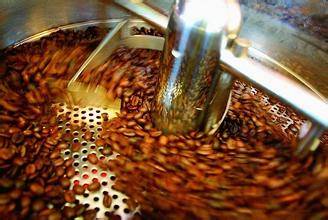
The basic chemical reaction that occurs during coffee roasting. The ingredients produced by the degree of coffee roasting.
Basic chemical reactions that occur during coffee roasting author: Carl Staub originates from the SCAA baking color classification system, developed by Agtron SCAA 1995 original text from: http://www.sweetmarias.com/roast.carlstaub.html translation: Grant, http://www.baristacn.com/forum/thread-1583-1-1.html in the roasting process

Basic chemical reactions that occur during coffee roasting
Many thermal and chemical reactions take place during baking: decarbonation, dehydration of quinic acid, fragmentation, isomerization, polymerization, and complex sugar reactions (caramelization). The main thermally reactive components are monosaccharides and sucrose, chlorogenic acid, displaced amino acids, and trigonelline amide. Both aravinone and calactose in polysaccharides are transferred, and basic sulfurization contains hydroxyamino acids.

The basic chemical reaction of coffee knowledge during coffee roasting.
Many thermal and chemical reactions take place during baking: decarbonation, dehydration of quinic acid, subdivision, isomerization, polymerization, and complex sugar reactions (caramelization). The main components of the thermal reaction are monosaccharides and sucrose, chlorogenic acid, free amino acids, and fenugreek amide. Both aravinose and calactose in the polysaccharides are transferred, and the basic vulcanization process includes hydroxylamine.

[coffee roasting] what are the chemical changes in coffee beans during roasting?
Professional coffee knowledge exchange more coffee bean information please follow the coffee workshop (Wechat official account cafe_style) do you know what happens when roasting coffee beans? What are the chemical changes that transform raw coffee beans into coffee ripe beans with charming flavor and rich aroma? In the previous article, we saw that the structure of coffee beans plays an important role in the roasting process.

Caramel reaction (Caramelization) in coffee roasting
Follow the caf é (Wechat official account vdailycom) and found that Beautiful Cafe opened a small shop of its own. I once told you that the three most important chemical reactions when roasting coffee beans are: Maillard Reaction Strecker Degration Caramelization about Maillard Reaction. I have written an article about its reaction principle and the wind generated.

What chemical reaction does the aroma of coffee beans come from during roasting? Coffee beans at different roasting stages
Professional coffee knowledge exchange more coffee bean information Please follow the coffee workshop (Wechat official account cafe_style) what chemical reaction does the aroma of coffee beans come from during roasting? What is the taste of coffee beans at different roasting stages? The charming aroma of coffee is also the main reason why Napoleon, me and many coffee fans miss coffee all the time. But why on earth is coffee so bad?

Boutique coffee beans | what is the reaction when coffee is roasted? why the coffee is rich in flavor
Do you know what happens when you bake coffee? What changes have taken place to turn mung beans into our favorite delicious, fragrant coffee beans? In the first part of this two-part series, we studied how the anatomical structure of coffee beans played an important role and outlined the physical changes that took place during roasting. Now, let's look at some chemical changes.
What physical changes occur when coffee is roasted? What are the changes in the sodium metanide reaction and caramelization?
Roasting converts coffee beans from green to ripe, rich in aroma and flavor, but do you know what happens during roasting? When we roast beans, it is mainly divided into physical and chemical changes. This article is the first of two series. Let's first take a look at what happens to coffee beans during roasting. The importance of physical structure The layered structure of coffee beans for roasting out what we want
What are the reactions during coffee roasting? What do caramel reactions and Maillard reactions refer to?
Before the coffee beans are roasted: the work that must be done is to make the water content inside the raw coffee beans more evenly distributed, which is why the raw beans are put in the warehouse after processing. Only coffee beans with a moisture content of about 12% and a stable state can be exported in coffee trade. Only when the water content of raw bean is uniform can the heat conduction and overall water evaporation be more uniform.
The Chemical reaction of Fine Coffee Technology in Baking
Coffee has a rich, wide range of flavors. Coffee produced in different regions, different elevations, different climates and different producing areas has its own unique characteristics. Raw beans are fragrant and have no usual coffee taste at all; the taste of coffee comes from proper roasting. Show fruity (light roasting) or caramel sweetness (deep roasting). The lighter the baking, the more sour it tastes. Baking.
How do you analyze coffee's chemical composition to predict flavor, aroma and quality?
Professional coffee knowledge exchange More coffee bean information Please pay attention to the coffee workshop (Weixin Official Accounts cafe_style) There are many factors that affect the flavor of coffee: variety, roasting degree, brewing formula, processing method, etc., but when you look deeper, you will find that flavor depends on only one thing: the composition of compounds. Coffee roasting method, coffee variety, species
"Coffee roaster companion" the chemical substances of raw beans the structure and changes of coffee beans
Chapter 2: chemical substances of raw beans author: Scott Rao translator: Huaxia coffee raw beans are strong and green seeds, 50% of which are different forms of carbohydrates, and the other 50% are composed of water, proteins, lipids, acids, and various biological bases. Coffee roasters can bake good coffee without knowing the many chemicals in raw beans, but

Chemical reaction and temperature during coffee roasting changes of reactive substances in coffee roasting process
Professional coffee knowledge exchange more coffee bean information please follow the coffee workshop (Wechat official account cafe_style) professional coffee roasting | coffee roasting is too complicated? A picture teaches you how the baking process reacts to the chemical composition of the baking. Sucrose: melting point 187.8 ℃-sugar? Complex = caramelization-water CO2 escapes to produce an explosive First Crack phenomenon. I'm in the roaster.

The chemical reaction that takes place in the process of roasting coffee how to drink roasted coffee? The process of roasting coffee
Professional coffee knowledge exchange more coffee bean information please pay attention to the coffee workshop (Wechat official account cafe_style) homogenization ─ transfer heat to the inside and outside of raw beans, so that all beans are ready to react evenly. Each raw bean is formed by countless cells, including the cell wall, the cell membrane, the sap that fills its interior, and the nucleus. Harvest
How does the bitterness of coffee beans come from? what are the characteristics of the nutty flavor of coffee beans?
Professional coffee knowledge exchange more coffee bean information please follow the coffee workshop (Wechat official account cafe_style) Africa's boutique curry non-producing areas are divided into Ethiopia, Kenya, Yemen. Today I happen to be able to drink coffee from African countries and share my feelings about the taste. 1 Sun Jega (shallow baking): dry incense has a strong and distinct blueberry aroma. It tastes mixed and light.
Chemical reaction of Coffee in roasting
Coffee has a rich, wide range of flavors. Coffee produced in different regions, different elevations, different climates and different producing areas has its own unique characteristics. Raw beans are fragrant and have no usual coffee taste at all; the taste of coffee comes from proper roasting. Show fruity (light roasting) or caramel sweetness (deep roasting). The lighter the baking, the more sour it tastes. Baking.

How many stages are there in coffee roasting on Starbucks' official website?
How many stages are there in coffee roasting on Starbucks' official website? Preheating stage: the bean roaster needs to be heated to a certain extent before baking, which will be different because of the bean roasting mechanism. It is necessary to fully heat the pot to a certain temperature before it can drop the beans. There is no certain criterion for this temperature. It depends on the degree of relationship between the bean roaster and the bean roaster to determine the steaming stage: when the bean is roasted, the coffee begins to be roasted.
Coffee will produce chemical reactions during roasting. The sour taste and source of coffee.
Coffee beans produce numerous chemical reactions during roasting, which not only change the color of coffee beans, but also create hundreds of flavor and aromatic compounds that no longer exist before. The roasting of coffee beans makes the beans crisp so as to facilitate grinding and enhance the internal permeability of coffee beans. Through the fusion with water, it is more conducive to the extraction of soluble flavor factors in coffee beans.
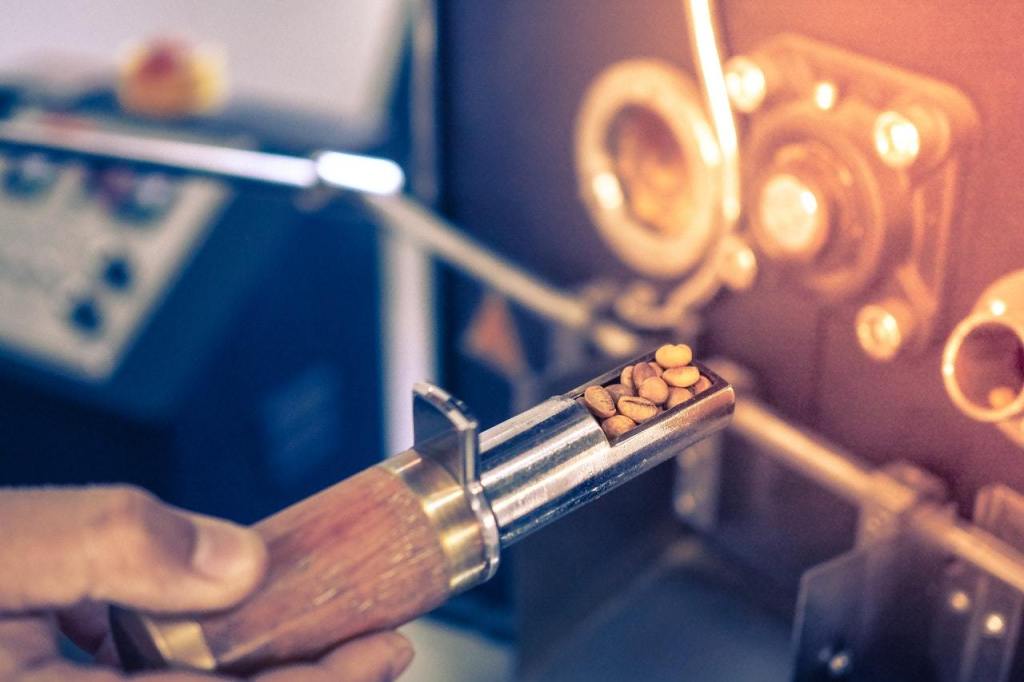
[advanced knowledge of coffee roasting] basic theory and training contents of professional coffee roasters
Professional coffee knowledge exchange more coffee bean information please follow the coffee workshop (Wechat official account cafe_style) [basic knowledge and training of coffee roasters] 1. Law of moisture content and flavor of coffee II. Coffee bean defect category selection 3. Analysis of characteristics of Bean baking Appliances Application of 4.ROR 5. Baked bean curve identification 6. Physical changes and chemical reactions caused by temperature layer and time 7. Caramelization and

Coffee roasting | what is roasting? What are the chemical reactions in baking?
Professional coffee knowledge exchange more coffee bean information Please follow the coffee workshop (Wechat official account cafe_style) Coffee sharing coffee roasting the so-called coffee bean roasting (coffee roasting) refers to the heating of raw beans to promote a series of physical and chemical reactions inside and outside of coffee beans. When coffee beans are roasted, the volume of coffee beans will expand, which is larger than that of raw beans.